Brake pads are one of the most critical safety components on your vehicle. They allow your car to come to a stop quickly and safely, and they endure constant friction and heat every time you use your brakes. Over time, that wear adds up, and eventually, your brake pads need to be replaced. But how often should that happen? The answer depends on your driving habits, the type of vehicle you drive, and even the environment in which you typically operate your car.
Understanding the signs of brake pad wear and knowing when to replace them can save you money on repairs and, more importantly, help you avoid a dangerous situation on the road. Let’s take a closer look at how brake pads work, what affects their lifespan, and how to know when it’s time for new ones.
How Do Brake Pads Work
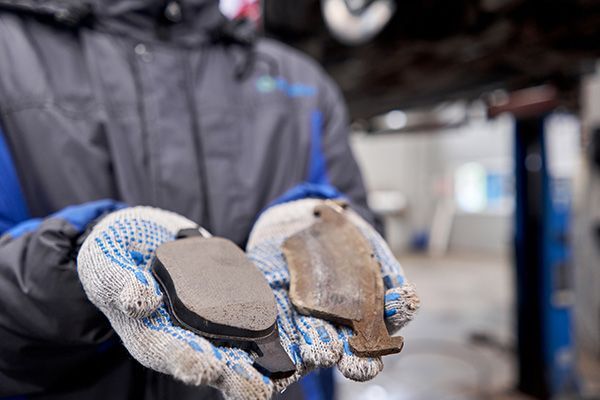
When you press the brake pedal, your vehicle’s brake system activates calipers that squeeze the brake pads against the spinning rotors. This creates the friction necessary to slow down or stop your car. The pads themselves are made of a tough material, a blend of metals, ceramics, or organic compounds, designed to endure that friction.
Each time you hit the brakes, a small amount of the pad material wears away. Over thousands of miles, that slow erosion adds up until the pad becomes too thin to do its job effectively. If ignored, worn brake pads can lead to damage to the rotors or calipers, both of which are
far more expensive to repair or replace.
Typical Lifespan of Brake Pads
Most brake pads last anywhere between 30,000 and 70,000 miles. That’s a wide range, and for good reason. Several factors impact how quickly your pads wear down. For example, city driving with frequent stops tends to wear out pads faster than highway driving. If you regularly drive in hilly areas or tow heavy loads, your brakes are under more strain and will need replacement sooner.
Additionally, the material from which your pads are made matters. Ceramic brake pads tend to last longer but may not perform as well under extreme conditions. Semi-metallic pads offer excellent stopping power and heat dissipation but tend to wear faster. Organic pads are quieter but less durable. Choosing the right type depends on your specific needs and driving environment.
Signs Your Brake Pads Need Replacement
In many cases, your vehicle will give you clear signals that your brake pads are wearing out. One of the most common signs is a squealing or squeaking noise when you brake. Most pads come with wear indicators—small metal tabs that produce a high-pitched sound when the pad becomes too thin.
Another warning sign is a grinding noise, which often indicates that the pad has worn down completely and metal is now in contact with metal. This not only reduces braking effectiveness but can damage the rotor, requiring more extensive (and expensive) repairs.
You may also feel a difference in braking performance. If it takes longer to stop or if the brake pedal feels soft or spongy, it’s time to have your brakes inspected. Some vehicles have dashboard indicators that light up when there’s an issue with the braking system, including worn pads.
Visual Inspection and Routine Checks
If you’re comfortable doing so, you can perform a visual check of your brake pads through the spokes of your wheel. You should be able to see at least a quarter inch of pad material. Anything less, and it’s a good idea to schedule an inspection.
Regular brake inspections are often included in routine maintenance services. If you’re unsure of the condition of your pads, ask your technician to check their thickness the next time you bring your car in for service.
Why Timely Replacement Matters
Driving with worn brake pads compromises your safety. The thinner the pads get, the longer it takes your vehicle to stop. In emergencies, that delay could mean the difference between avoiding an accident and ending up in one.
Additionally, letting the pads wear down too far can cause damage to the rotors. Rotors are much more expensive to replace than brake pads and excessive wear may also affect the calipers, which are crucial for proper brake function.
By replacing your pads before they reach that critical point, you not only maintain safe braking performance but also avoid the cost of unnecessary repairs.
Choosing the Right Brake Pads for Your Vehicle
Not all brake pads are created equal. When it’s time for replacement, your technician can help you choose the right type based on your driving needs. If you do a lot of stop-and-go driving in traffic, a high-performance or semi-metallic pad may be the best option. If you value quiet operation and a smoother ride, ceramic pads might be preferable.
It’s also important to consider the quality of the pads. While cheaper options may be tempting, they often wear out more quickly or provide inconsistent performance. Investing in high-quality components ensures better safety and value over the long run.
Trust Your Braking System to the Pros at Complete Car Care Encinitas
Your brakes are not something to take lightly. At
Complete Car Care Encinitas in Encinitas, CA, we offer thorough brake inspections, high-quality replacement parts, and expert service you can trust. Our team will evaluate the condition of your brake pads, rotors, and overall system to ensure your vehicle remains safe and responsive on the road.
Whether you're hearing noises, feeling a change in braking, or just due for a checkup, contact
Complete Car Care Encinitas today and drive with peace of mind.