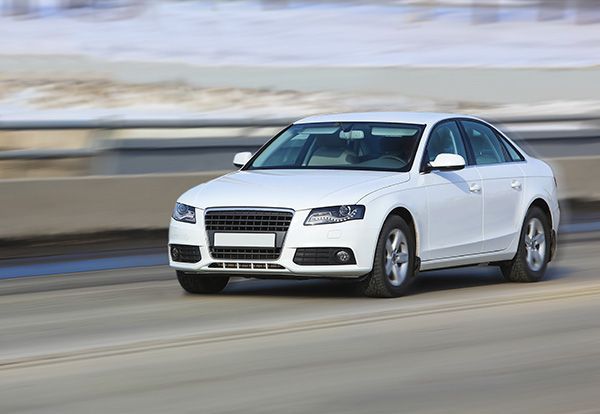
If you’re a German vehicles fan or own an Audi or Volkswagen, you might have noticed the similarities between the two brands. Ever wondered why they share so much in terms of parts and technology? There's a simple answer—both Audi and Volkswagen are part of the same automotive group, the Volkswagen Group. This relationship goes much deeper than ownership, with shared platforms, engines, and innovations being key to both brands' success. But why do they share so much, and what does this mean for the cars you drive?
The Volkswagen Group Connection
The main reason Audi and Volkswagen share so much technology and so many parts is that they are part of the same parent company, Volkswagen Group (often referred to as VAG—Volkswagen Aktiengesellschaft). This massive automotive conglomerate owns not only Volkswagen and Audi, but also brands like Porsche, Lamborghini, and Bentley. By sharing resources across its portfolio, Volkswagen Group can reduce development costs and ensure its various brands remain competitive in their respective markets.
This means that while Audi is known for its luxury and advanced technology, it still benefits from the same engineering that goes into Volkswagen vehicles. Likewise, Volkswagen can access premium technology developed by Audi without inflating production costs.
Shared Platforms
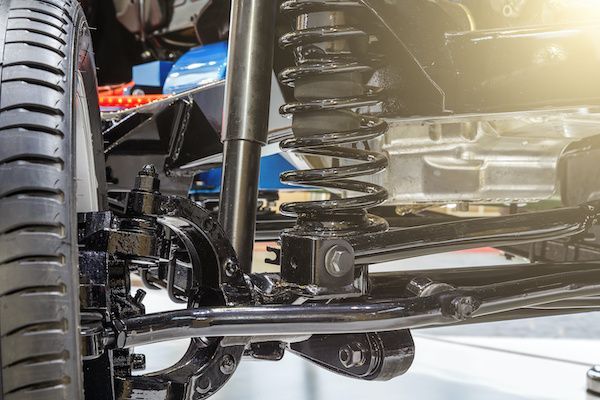
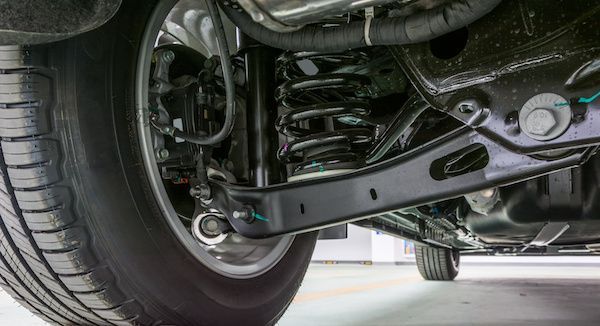
One of the key ways Audi and Volkswagen share technology is through vehicle platforms. A platform in the automotive world is the basic structure and components that underlie a car, including the chassis, suspension, and powertrain layout.
Volkswagen Group has developed modular platforms like the MQB (Modular Transverse Matrix) and MLB (Modular Longitudinal Matrix). These platforms allow multiple models across different brands to use the same underpinnings while maintaining distinct exterior designs, interiors, and features. For example, the Volkswagen Golf and Audi A3 both use the MQB platform, meaning they share essential components like suspension systems, engines, and even some electronics.
This shared platform approach helps both brands remain agile in terms of production, allowing them to release new models quickly and at a lower cost than if each brand developed everything from scratch. It also means that as a consumer, you get high-quality engineering no matter which badge is on the front of your car.
Shared Engines and Powertrains
When you peek under the hood of an Audi or Volkswagen, you’ll likely notice some striking similarities, particularly in the engine department. Many models from both brands use the same engines and powertrains, albeit sometimes tuned differently depending on the brand's focus.
For example, Volkswagen’s 2.0-liter turbocharged TSI engine can be found in everything from the Volkswagen Passat to the Audi A4. While Audi may tweak the
performance for a sportier driving experience, the core technology remains the same. Sharing engines allows Volkswagen Group to invest in fewer powertrain options, refining them for maximum efficiency and performance while still differentiating the driving experience across brands.
For you, this means that you’re getting the benefit of shared engineering excellence, whether you’re in an Audi or a Volkswagen. And because these engines are used across multiple models, it often results in better reliability due to widespread testing and development.
Cost-Effectiveness and Innovation
At the core of this parts-sharing strategy is cost-effectiveness. Developing new technology is expensive, especially when you factor in testing, manufacturing, and certification. By spreading these costs across several brands, Volkswagen Group can afford to push boundaries in automotive technology without passing those extra costs directly to consumers.
This approach allows Audi to innovate in areas like autonomous driving or advanced infotainment systems, knowing that Volkswagen can utilize these features at a lower price point in future models. Conversely, Volkswagen’s larger production volumes can help Audi refine certain technologies and perfect their implementation in luxury models.
But it’s not just about saving money—this strategy also accelerates the pace of innovation. By pooling resources across multiple brands, Volkswagen Group can invest heavily in research and development, ensuring that new features and technologies reach consumers faster.
What Does This Mean for You?
For drivers, the Audi and Volkswagen partnership means you get the best of both worlds. Whether you're driving a Volkswagen Golf or an Audi Q7, you’re benefiting from shared expertise and high-quality engineering. However, this doesn’t mean that the two brands are identical. Each brand tailors the shared parts and technology to suit its own identity and target market, ensuring that you still get a distinct driving experience.
Audi vehicles will generally have more luxurious interiors, advanced features, and a focus on performance, while Volkswagen cars will often offer more value and practicality. But at the end of the day, both brands are leveraging the same engineering foundation to deliver reliable, high-performing vehicles.
Is your Audi, Volkswagen, or
European car in need of service? Let the professionals at
Complete Car Care Encinitas handle everything from
routine maintenance to complex repairs. Call us now to book an appointment!